


, 6 min read
Introducing Alo, an AI health assistant for your family
Alo is the AI assistant in Lifelong. It knows each person in your family, answers from their own records, and flags a change before you ask.

Co-founder & CEO, Lifelong
Alo is an AI for your family's health. It lives in Lifelong, the family health app for iPhone. Alo knows each person in your family, answers from their own records and their own numbers, and tells you when something has changed instead of waiting to be asked.
Why does a family need its own health AI?
A family's health already lives in a group chat, and a group chat forgets.
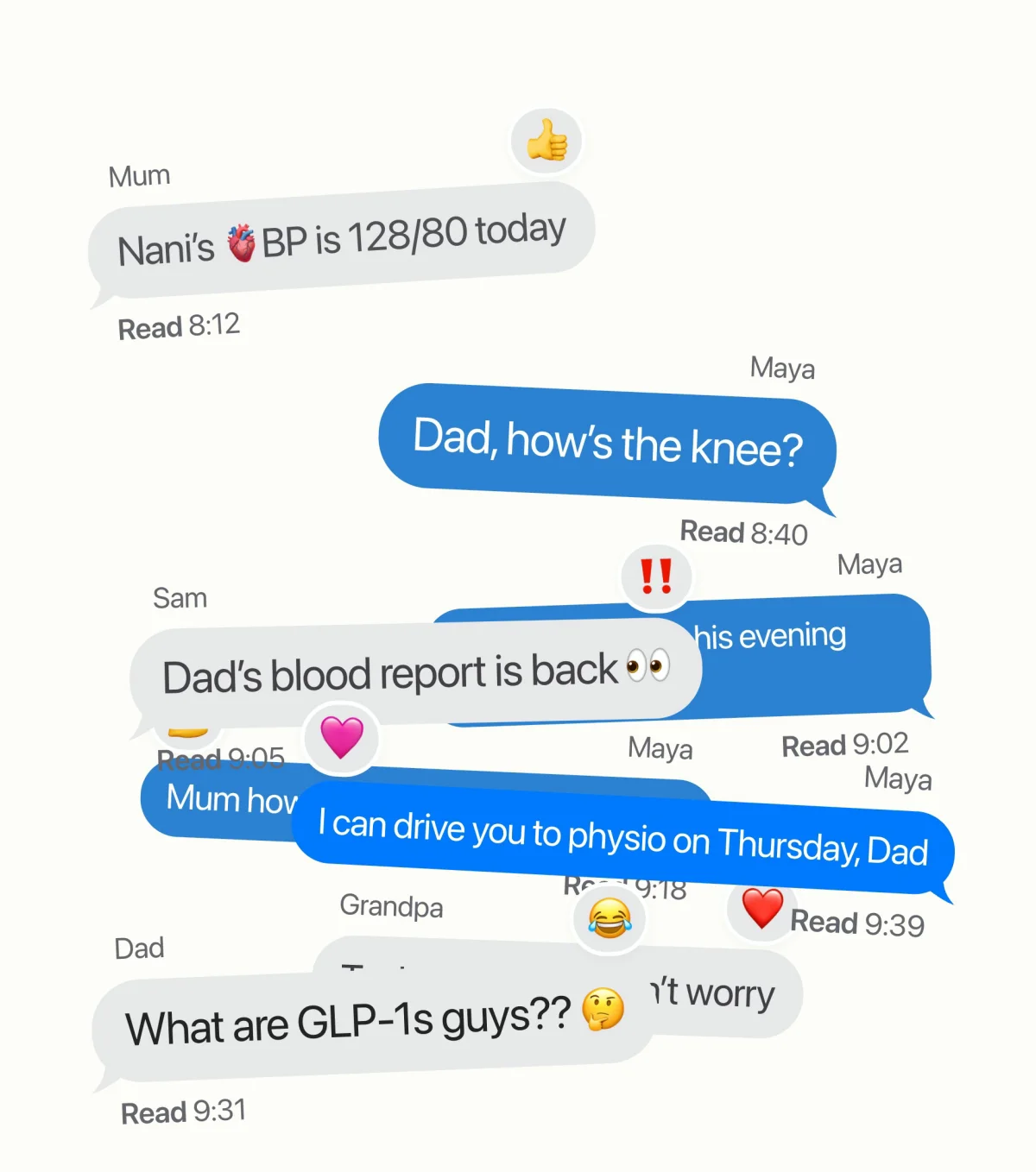
Nani's blood pressure at 8:12. A question about Dad's knee at 8:40. A blood report that came back. An offer to drive to physio on Thursday. Grandpa asking what GLP-1s are.
By Saturday nobody can find the blood pressure reading. The report is a photo forty messages up. The person who can find it is the same person every time, and in most families that person never applied for the job.
Alo is built for that person. I wrote about why in The family is the unit of care.
What does Alo do?
Alo answers questions about your family's health in ordinary words, using what your family keeps in Lifelong.
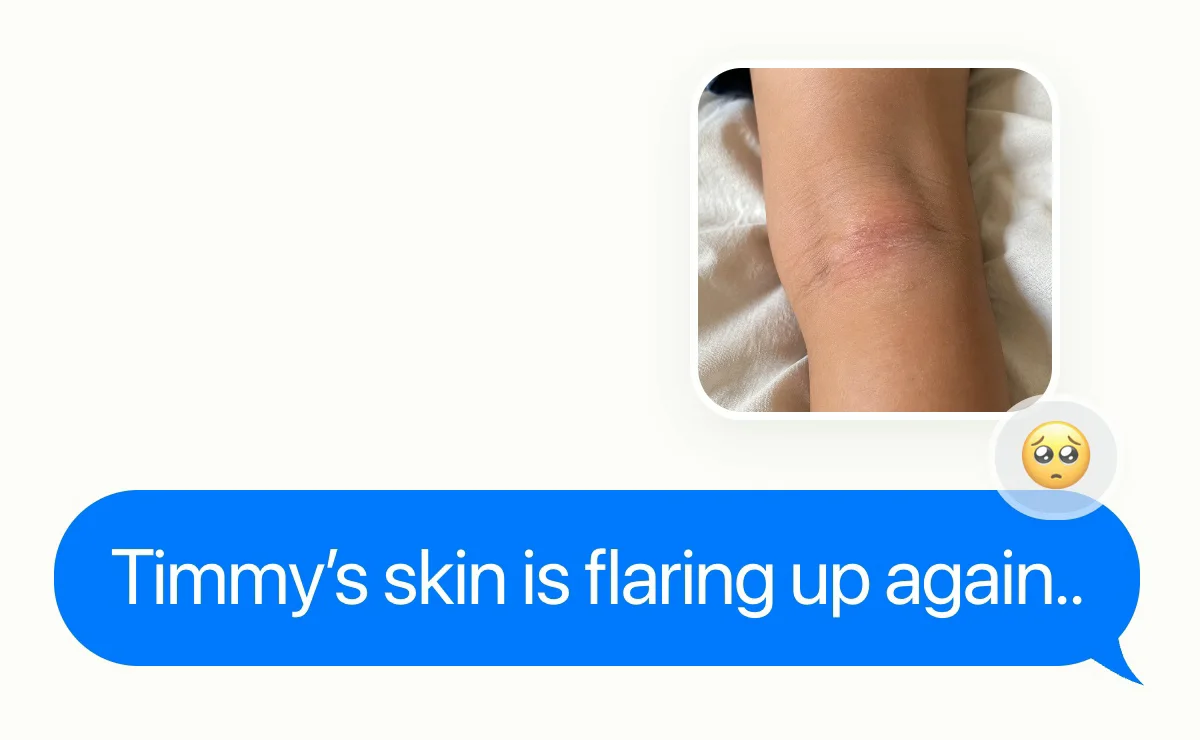
Take a mother who writes that her son's eczema is flaring up again. A general chatbot can tell her what eczema is. Alo knows Timmy. It knows he started a new cream on Monday, that his eczema has been logged on 5 of the last 14 days, and who his doctor is. So it can tell her what changed around the time the flare-up began, and that it is worth raising with his doctor.
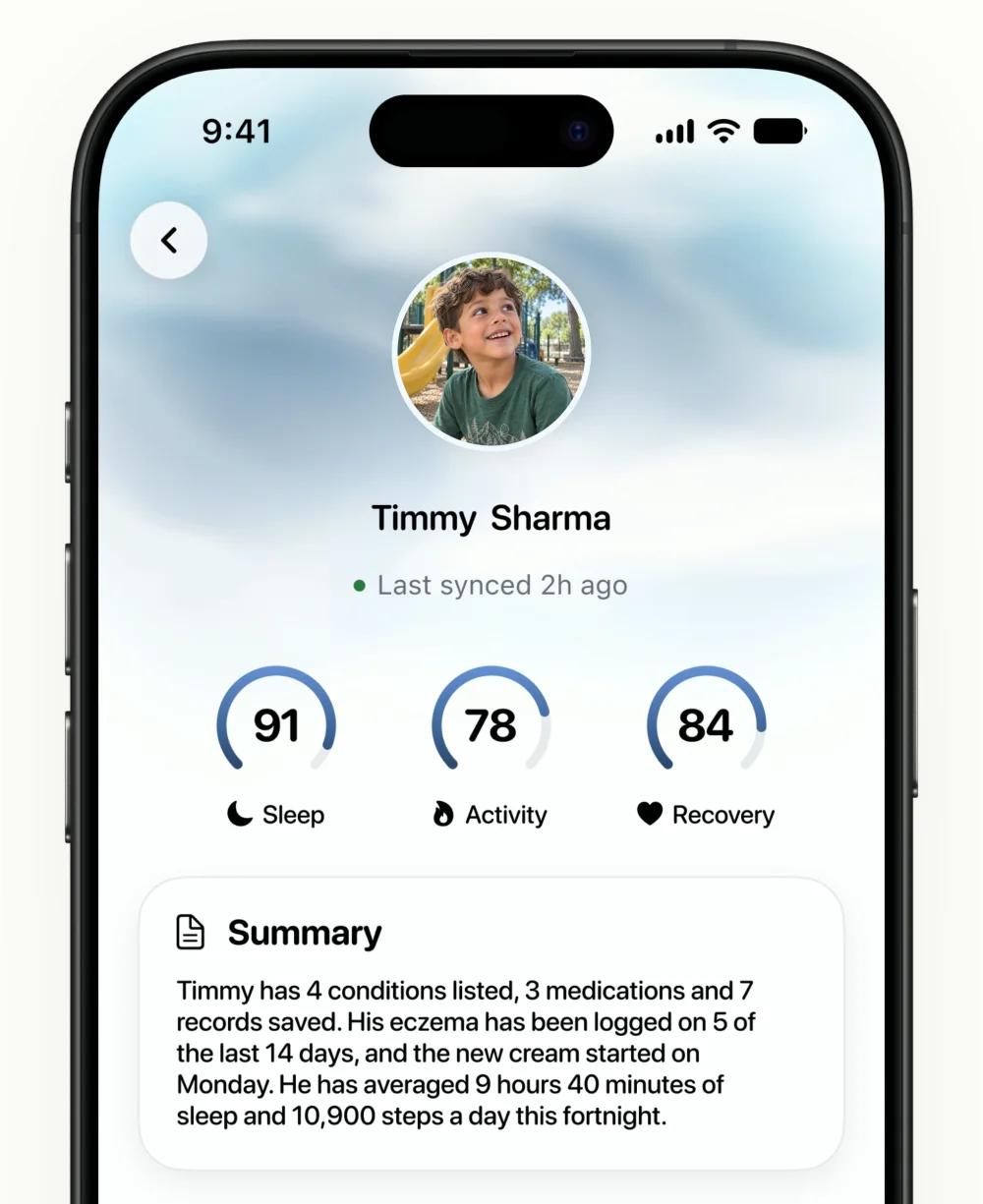
Here is what Alo does in the app.
- Alo reads the record. Lab values with the lab's own reference range, conditions, medications, and how one result has moved across several reports. Alo names the document and the date it is quoting, so you can open it yourself.
- Alo reads the numbers. Sleep, activity and recovery scores, steps, resting heart rate and heart rate variability, for up to the last 30 days, set against what is usual for that person.
- Alo keeps the record current. Mention a new symptom or a new medicine and Alo drafts the entry for you to save. Attach a photo or a PDF and Alo offers to file it as a record.
- Alo remembers. It keeps context between conversations, so you do not explain your mother's knee replacement every time.
- Alo knows who you look after. If you care for someone, Alo checks whether an entry is yours or theirs before it drafts anything.
What makes Alo proactive?
Most AI assistants are a text box. Nothing happens until you think of the question, and with health, the question is the hard part. Nobody asks about Grandad's sleep in the week it starts slipping.
So Lifelong watches the numbers that Alo reads.
- An alert when a pattern breaks. When someone's sleep, activity or recovery moves away from their usual, Lifelong raises an alert in the app and says what changed in a sentence.
- A morning report. Once your watch or ring has synced overnight, your report arrives as a notification.
- A summary on the home screen. Each person's day in a few lines, refreshed as new data comes in. Tap Ask Alo and it explains the summary against your own numbers.
- The family's week, side by side. Steps and sleep for each person, and a board of weekly averages.
How is Alo different from Muse, Instinct and ChatGPT Health?
Alo is built for a family, and the others are built for one person. As of October 2026, this is how they compare.
- Muse from Meta launched in the United States in September 2026 as a personal AI agent. It connects to one adult's email, calendar, shopping and finances. Health is one of its areas: through HealthEx, a person can connect their own medical records.
- Instinct is a general personal assistant you text or call, for errands such as ordering groceries and cancelling subscriptions. It is in early access.
- ChatGPT Health is a space inside ChatGPT, launched in January 2026, where a person connects their medical records and apps such as Apple Health and asks questions about their own results.
- Luffu, from the founders of Fitbit, was announced in February 2026 as a family care system.
Three things set Alo apart.
Alo's unit is the family. Muse, Instinct and ChatGPT Health are each built around one person's account. Alo is built around a household where every person has a profile and sets what the others can see. You can ask "how did Dad sleep this week?" and get an answer from his data, with his permission already settled.
Alo goes deep on health. A general assistant splits its attention between your inbox, your calendar and your shopping. Alo has the medication list, the discharge letter and last night's sleep for every person you look after, in one place, and that is all it thinks about.
Alo builds a record that lasts. A chat with a general assistant ends when you close it. What you tell Alo becomes part of a health record for each person, with the source document behind every answer, and the whole family can use it next month and next year.
Who is Alo for?
Alo is for the person in the family who ends up holding all of it.
That might be a daughter keeping track of her mother's medications from another city. It might be a parent of a child with eczema and asthma who has explained the history to four different doctors. It might be the one sibling everyone texts when Dad's results come back.
It is also for everyone else in the family. Timmy's appointments, Serena's movement, Grandma's medication, Grandad's sleep. One AI that knows all four, so the family does not depend on one person's memory.
If you are caring for a parent, start with caring for an aging parent as a family. If you are trying to make sense of blood results, see understand your family's blood results. The Alo page has the detail on how Alo works.
What is coming next for Alo?
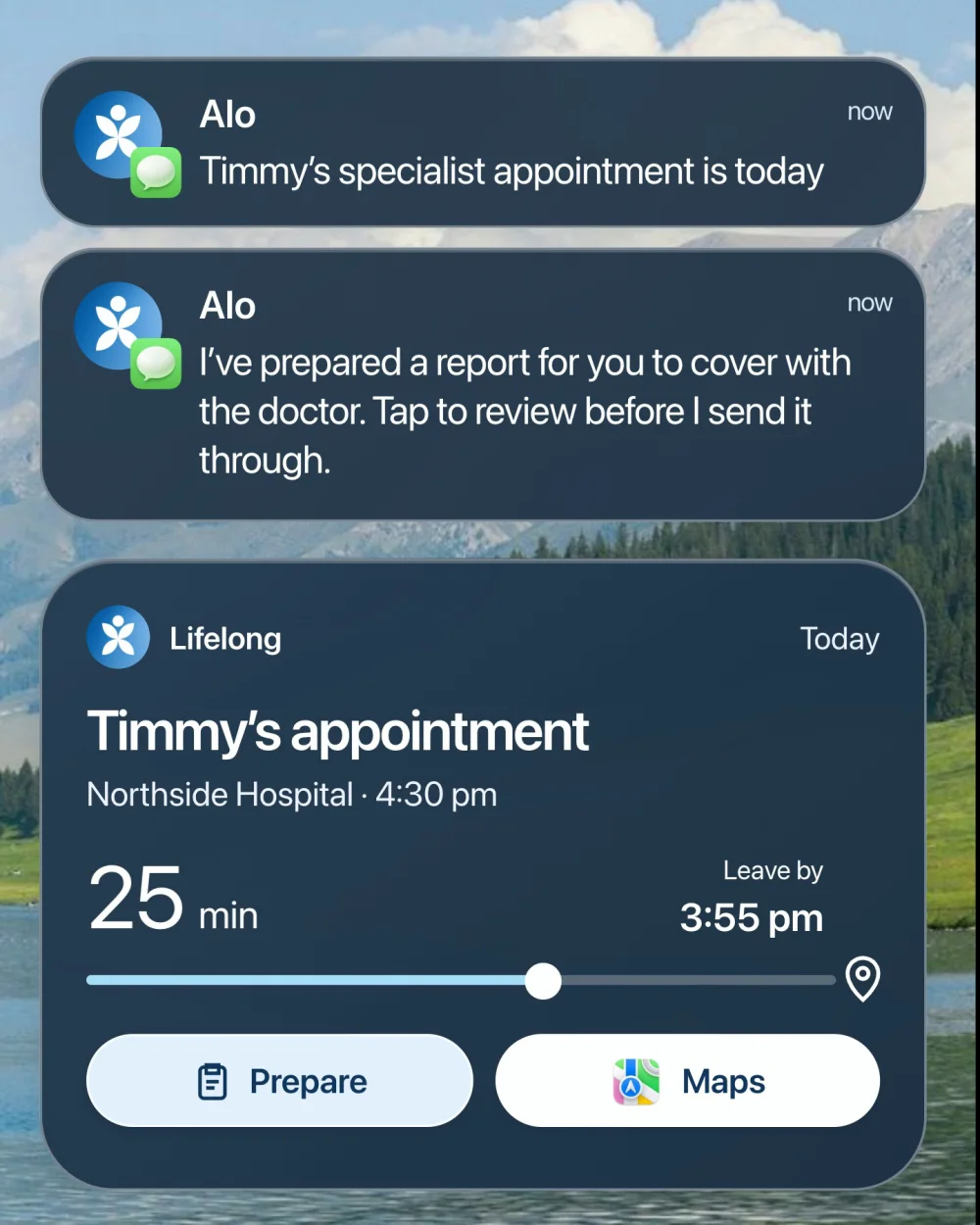
Alo is getting more of the week ahead. On the morning of an appointment, Alo will tell the family it is today, have a summary ready to take to the doctor, and say when to leave.
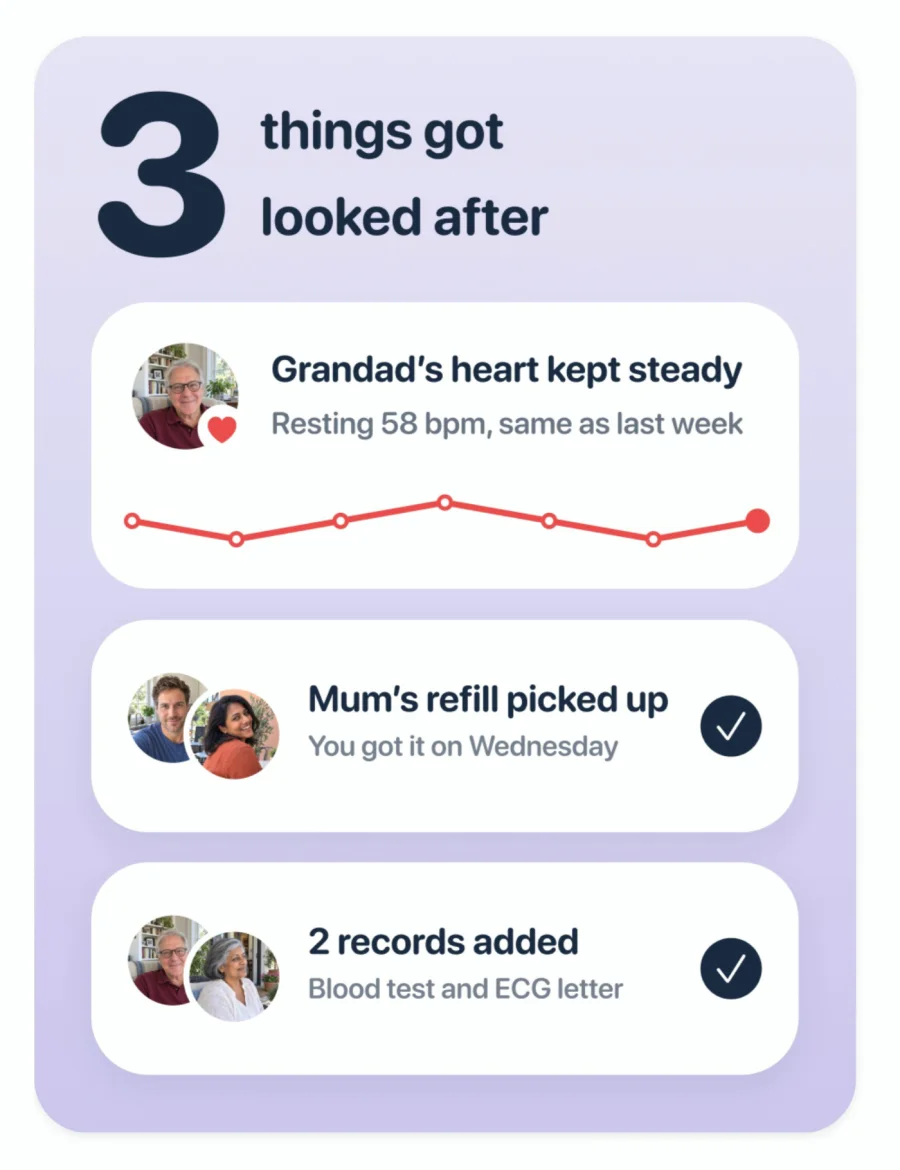
And at the end of each week, the family will get one report: how far everyone walked, who slept most consistently, and what got looked after.
How do you start using Alo?
Get Lifelong from the App Store on your iPhone. Then:
- Invite your family, and let each person choose what to share.
- Connect Apple Health, so sleep, activity and heart rate come in from the watch or ring you already wear.
- Add one record: a blood test, a discharge letter, a photo of a prescription.
- Ask Alo something you would normally scroll the family chat for.
A good first one: "What has changed in Dad's results since last year?"
Sources
- App Store: Muse from Meta
- HealthEx: HealthEx empowers consumers to bring their personal health history to Muse, Meta's new personal AI agent (8 September 2026)
- SiliconANGLE: Everyday personal AI assistant startup Instinct raises $1B at $10B valuation (28 September 2026)
- OpenAI: Introducing ChatGPT Health (7 January 2026)
- HIT Consultant: Fitbit co-founders launch Luffu, an AI family care system (4 February 2026)
Lifelong is a health information tool, not medical care. Nothing here is medical advice; for a decision about someone’s health, talk to their doctor. Medical disclaimer.